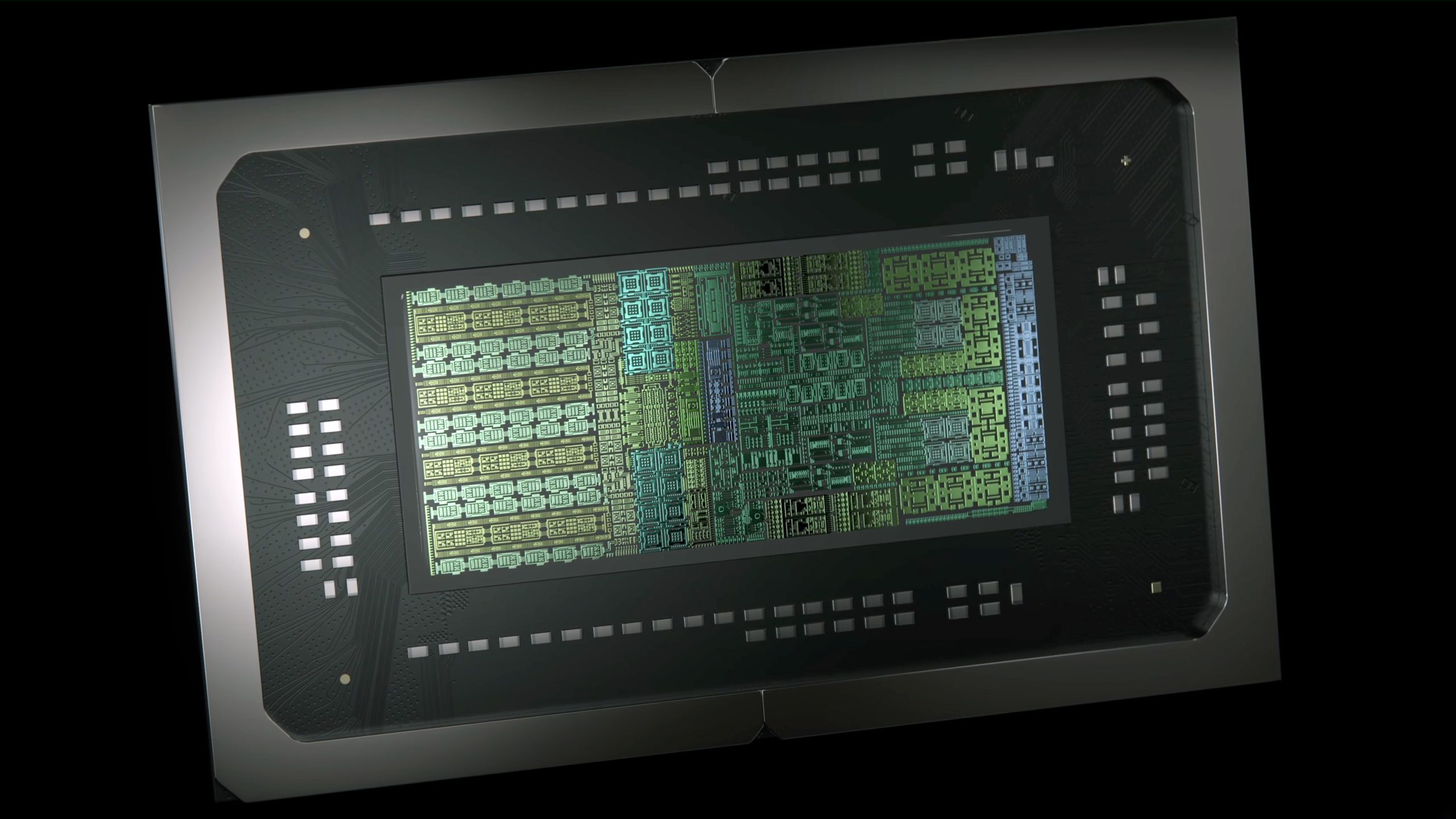
NVIDIA RTX 6090: benchmark signals add weight to performance targets and launch timing
Performance targets and launch timing is the part of the story starting to hold together. The rest still needs more than noise and repetition.
Other sources and further reading
Story tags
Across the material we reviewed, the story keeps circling back to performance targets and launch timing.
That overlap matters because it suggests the same part of the brief is surfacing in more than one place.
The reason this matters is simple: performance targets and launch timing affects how buyers, competitors and accessory makers read the next step in the RTX 6090 cycle.
Our take is that the direction matters more than any single benchmark number at this stage.
The next meaningful checkpoint is a second performance trail or a hardware leak that ties performance targets and launch timing to an actual shipping plan.
Technical snapshot
For desktop GPUs, the useful questions are usually memory bandwidth, thermals, connector strategy and partner board constraints.
Keep reading